
7 Affordable Alternatives to Expensive Gym Memberships
Last Updated: October 26, 2026
Quick Summary
Affordable alternatives to expensive gym memberships include pay-as-you-go court hire, bodyweight training at home, outdoor walking and cycling, low-cost community classes, free workout apps, and workplace or school fitness facilities. These options keep fixed costs low and let you pay only when you actually exercise.
Bodyweight exercises like squats, push-ups, lunges, planks and step-ups need no gym equipment at all.
A sample home routine pairs two 20 to 30 minute strength sessions with two cardio sessions and one mobility session.
Pay-as-you-go court hire has no joining fee, no contract and no early-termination charge.
Track your attendance for one month before committing to any annual contract.
Check workplace benefits, private health insurance extras and local council recreation information before buying a membership.
Table of Contents
Why Affordable Alternatives Are Worth Considering
The case for walking away from a pricey gym contract is stronger than most people expect. That's the trap: a casual visit here and there can cost more than a structured alternative, and you get none of the flexibility.
Below, we'll cover seven affordable alternatives to expensive gym memberships, with pros and cons.
Cheap Ways to Exercise That Don't Feel Like a Compromise
Cheap ways to exercise work best when they match how you actually live, not how you wish you lived. The trick is picking options with low fixed costs and high flexibility, so a missed week doesn't feel like wasted money.
Here's a shortlist of options:
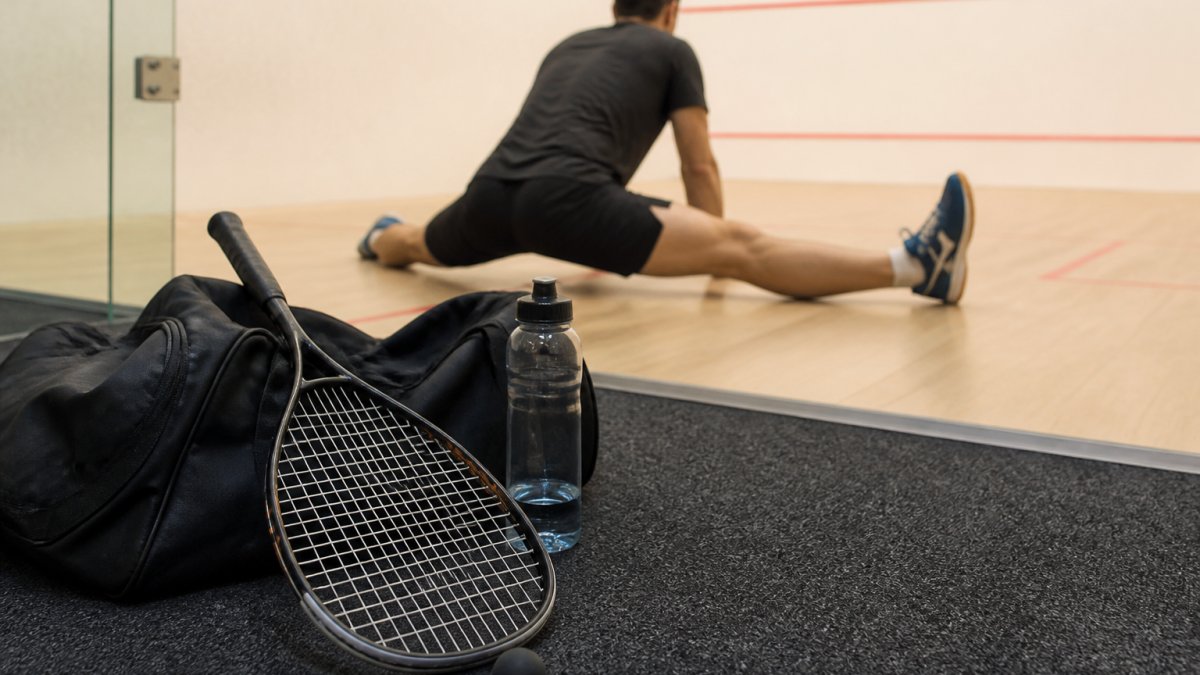
Pay-as-you-go court hire for squash or racquetball, booked only when you play
Bodyweight training at home, which needs no equipment at all
Outdoor walking, running, and cycling, using paths and reserves you already have access to
Community and recreation centre classes, often run at low cost by local councils
Free workout apps and online programs, many of which are genuinely good
Workplace or school fitness facilities, if your employer or campus offers them
If you want more cardio options beyond the gym, see alternatives to gym memberships for cardio.
How to Work Out at Home Without Equipment
Bodyweight exercises like squats, push-ups, lunges, planks, and step-ups can be done at home without gym equipment.
A sample weekly routine:
Two strength sessions of 20 to 30 minutes, covering squats, push-ups, lunges, and a core hold
Two cardio sessions of 20 to 40 minutes, using walking, running, or a stair circuit
One mobility session, focused on stretching and easy movement
If you want to add resistance later, resistance bands and adjustable free weights are options. If accountability matters to you, a booked court session or a class gives you a reason to show up.
Pay-As-You-Go Sports Facilities: Flexibility Without the Lock-In
Pay-as-you-go sports facilities let you book and pay per session, so you spend money when you play.

Racquet sports can be one option to consider. At Launceston Squash Centre, we run a self-service setup: you book online, then enter using a secure smartphone key through the SALTO app. Courts are available from 6am to 11pm daily, which matters if you work shifts and can't commit to a fixed class time.
If you're weighing up membership, see our guide on playing squash without a membership.
Best for: casual players and shift workers who want to play on their own schedule.
Gym Membership Cost Comparison: What You're Really Paying For
A gym membership cost comparison can look at total annual spend, not just the headline weekly rate. To compare options, consider membership, casual hire, equipment, maintenance, transport, and class fees.
Before you compare options, consider these line items:
Joining fee, which is often waived during promotions but not always
Contract length, and what it costs to cancel early
Minimum notice period for cancelling a rolling membership
Extras bundled in, such as classes, pool access, or towel service
Casual rate, so you can calculate the break-even point against your actual attendance
A like-for-like annual cost framework
Rather than trusting a single advertised price, build a simple annual total for each option using this structure:
Cost line | Gym membership | Pay-as-you-go court hire | Home bodyweight setup |
Upfront or joining cost | Joining fee (varies) | None | None to low (mat, bands) |
Recurring cost | Weekly or fortnightly direct debit | Per-session rate | Replacement of worn equipment |
Contract exit | Early-termination charge | None | None |
Transport | Travel to and from the gym | Travel to the court | None |
Extras | Classes, pool, towels (if bundled) | Equipment hire (if needed) | Nil |
Realistic annual total | Recurring cost × 52 + joining fee + exit risk | Session rate × actual sessions played | One-off equipment + occasional replacement |
The key variable is attendance. Compare the annual cost of a membership with the cost of pay-per-session based on the number of visits you realistically expect. Use your honest weekly average, not your best week.
The break-even maths, worked through
Compare the annual cost of a membership with the cost of casual sessions based on how often you realistically expect to play. The better fit depends on your attendance and the current prices.
Our breakdown of fitness centre membership costs and contracts covers terms to check before signing, and our comparison of cheap squash court access versus premium memberships discusses comparing access options.
Pro Tip Track your attendance for one month before committing to any annual contract. Compare the costs using your actual attendance and current prices.
What the annual comparison reveals
The comparison is not just about the sticker price, it is about matching the cost structure to how often you will genuinely turn up.
Free and Low-Cost Access Through Work, School and Community Programs
Other options to investigate include workplace benefits, school or university facilities, community activities, and private health insurance extras. Availability and eligibility depend on the provider.
Options to check include:
Workplace wellbeing programs, ask HR whether your benefits include fitness support or access to facilities.
School and campus facilities, check with the school or campus whether facilities are available to the public.
Local council recreation centres, check with your local council about available classes and rates.
Library and community noticeboards, check for information about local activities.
Private health insurance extras, check your policy to see whether it includes any relevant benefits (What is covered by private health insurance?).
Community sports clubs, ask clubs about any sessions or equipment access they offer.
A subsidised option you actually attend may suit you better than a full-price membership you don't.
Key Takeaway Before you buy any membership, check your workplace benefits, private health insurance extras, and local council recreation information to see what options are available.
How to verify an access route is genuinely low-cost
Before committing to a subsidised program, check its fees, limits, expiry conditions, and eligibility rules.
If you are weighing up a subsidised option, compare its cost and flexibility with a pay-as-you-go alternative.
How to Choose the Right Option for Your Budget and Goals
Choosing an option can involve considering how often you'll realistically attend, what you want to achieve, and whether you prefer a fixed schedule.
Use this decision guide:
Your situation | Best option | Why it works |
Play once or twice a month | Pay-as-you-go court hire | No fixed cost, no contract |
Want strength and cardio at home | Bodyweight routine plus bands | Lowest total cost, needs self-discipline |
Need a set time each week | Community or group classes | Structure and accountability |
Irregular shifts | Self-service court bookings | Book at 6am or 10pm as needed |
Employer offers a benefit | Workplace program | Subsidised cost, higher attendance |
Consider how often you expect to use an option, not just its cost on paper. If you're unsure, track how often you go before committing to anything longer.
Book Your First Court Session and See the Difference
The cheapest exercise plan is worthless if it doesn't fit your week. Launceston Squash Centre offers flexible court access.
Our self-service setup lets you book online and enter with a secure smartphone key through the SALTO app, with courts open from 6am to 11pm daily. Membership options are available for casual and frequent players. If you've been putting off a return to the game, you can book online.
Book your first court session online and see how flexible court access fits around your schedule.
Frequently Asked Questions
What can I do instead of paying for a gym membership?
Alternatives include bodyweight exercises at home, community classes, walking or cycling outdoors, and sports facilities. Compare the options that are available to you.
Are home workouts as effective as going to the gym?
Bodyweight exercises, resistance bands and free weights are options to consider. When comparing costs, factor in what you actually use and how often you attend. Choose based on your routine.
How can I exercise on a budget without losing motivation?
You could schedule sessions, such as a squash court booking, a community class or a home workout. Consider which option fits your routine and budget.
Is a gym membership worth it if I only go occasionally?
Whether a gym membership is worthwhile depends on your attendance and the current prices. Compare the annual cost with what you would spend per visit. Launceston Squash Centre offers online court booking and self-service entry, with access from 6am to 11pm daily. Check the membership options and current terms before booking.
Book Online
Add launcestonsquash.com.au as a preferred source on Google →


Comments