
Fitness Center Membership: Costs and Contracts
Table of Contents
What a Fitness Center Membership Actually Costs
The Total Cost of Ownership Formula
Weekly and Fortnightly Fees Explained
Joining Fees and Hidden Costs
Racquetball Court Access in Northern Tasmania: What to Expect
No-Lock-In Gym Contracts: How Flexible Memberships Work
Gym Membership Contract Terms You Need to Read Before Signing
Cancellation, Pause and Renewal: How the Mechanisms Actually Work
How to Choose the Right Fitness Center Membership for You
Membership Comparison at a Glance
Conclusion: Making Your Membership Decision
Frequently Asked Questions
Last Updated: October 6, 2026
What a Fitness Center Membership Actually Costs
A fitness center membership is a recurring payment plan that gives you scheduled access to a facility's courts, equipment and classes, usually billed weekly or fortnightly rather than as a single upfront sum. The honest answer is that the headline fee is only part of the picture, and the gap between the cheapest advertised rate and the real annual outlay can be substantial.
Most facilities quote a weekly figure because it sounds smaller. Multiply it out before you compare anything.
The Total Cost of Ownership Formula
Advertised rates are not comparable. A weekly rate, a fortnightly rate, a casual per-session price and an introductory offer all describe different things, and the only way to compare them honestly is to convert each one into a single number: the total cost of the first 12 months.
Use this formula for every option you are considering:
Total first-year cost = (ongoing rate × number of billing periods in 12 months) + joining fee + access fob or card fee + any annual maintenance charge + expected add-on spend − value of any introductory discount
Worked through with placeholder figures so you can see how the mechanics behave:
A plan advertised at a low weekly rate, billed weekly, with a joining fee and a fob fee, will usually land higher over 12 months than a fortnightly plan at a slightly higher headline rate with no joining fee, because the weekly plan collects more billing periods across the year and stacks upfront costs on top.
An introductory offer that waives the joining fee but rolls into the full ongoing rate after a set number of weeks is only cheaper if you diarise the rollover date. If you forget, the discount is erased within a couple of months.
A casual per-session arrangement has no joining fee and no minimum term, so its first-year cost is simply your session rate multiplied by how often you actually turn up. For once-a-month players this frequently beats every membership on the board.
Weekly and Fortnightly Fees Explained
Weekly fees suit people who play often and want the cost spread thinly. Fortnightly fees line up with how many households actually get paid, which is why so many gyms and courts default to them.
The trap is comparing a weekly rate against a fortnightly one. A membership advertised at a low weekly figure can cost more per year than one quoted fortnightly at a higher number, simply because of how the billing cycle falls. Convert everything to an annual figure before you decide anything.
Direct debit is the standard payment method. That means the money leaves your account automatically, and it keeps leaving until you actively stop it.
Joining Fees and Hidden Costs
Joining fees, key-fob or access-card fees, and annual maintenance charges are where budgets quietly blow out. Ask for the full list in writing before you sign.
Common add-ons that catch people out:
A one-off joining or activation fee
A replacement charge for a lost access fob or card
A fee to change your membership tier or transfer it
Charges for court hire outside your included hours
Cancellation or early-termination fees buried in the terms

Watch Out Never sign a membership based on a verbal quote. Ask for the total first-year cost in writing, including every joining and access fee. Disputes almost always come down to what was said versus what was on the form.
Key Takeaway Standardise every option to a single first-year total before you compare. The advertised weekly rate is a marketing number; the first-year total is the decision number.
Racquetball Court Access in Northern Tasmania: What to Expect
Racquetball court access in northern Tasmania depends less on how many courts exist and more on how they are booked. The practical question is not availability, it is whether you can get a court at the time you actually want to play.
Facilities differ in three ways that matter: whether access is staffed or self-service, whether bookings are online or by phone, and how far ahead you can reserve. Self-service entry with online booking removes the biggest friction point, because you are not limited to reception hours.
If you work shifts or play late, check the access hours before anything else. A facility that closes at 8pm is useless to someone finishing work at 9pm, no matter how good the courts are.
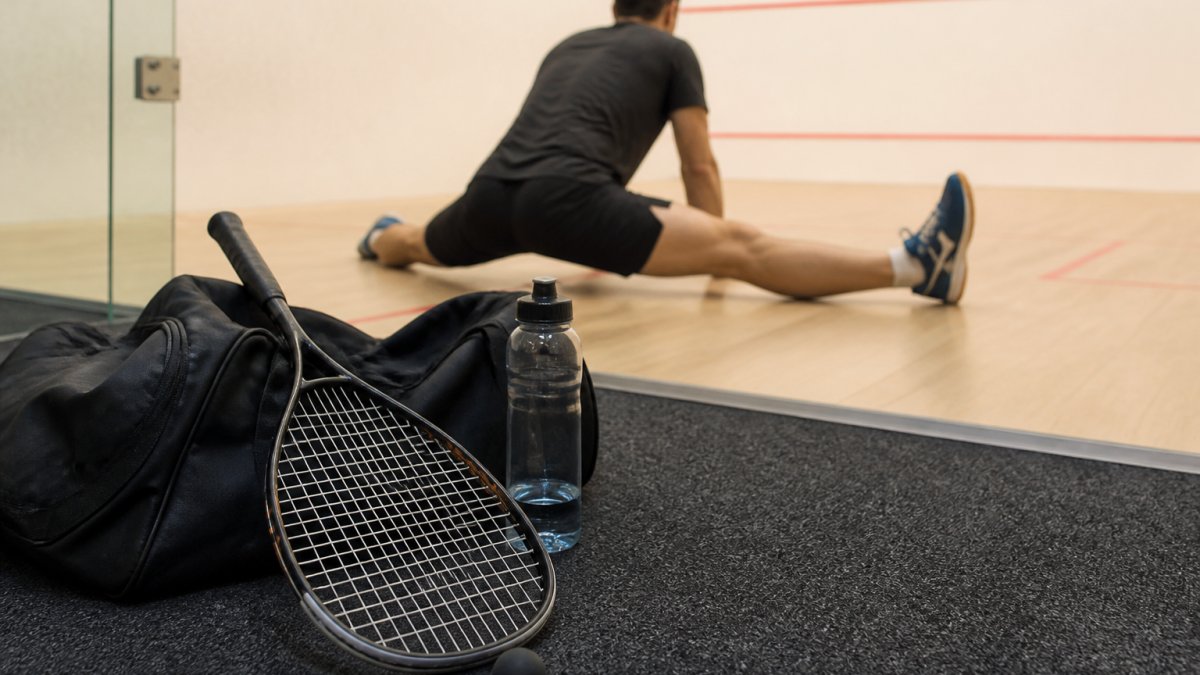
Launceston Squash Centre runs self-service access from 6am to 11pm daily, with court reservations made online and entry through a secure smartphone key.
No-Lock-In Gym Contracts: How Flexible Memberships Work
No-lock-in gym contracts let you join and leave without a fixed minimum term, usually in exchange for a slightly higher ongoing rate or a casual per-session price. You trade a small discount for the ability to walk away.
Realistic Bodybuilding
Flexible memberships suit three groups particularly well: casual players who turn up once or twice a month, people whose work roster changes constantly, and anyone who has been burned by a contract before. If you are not certain you will still be playing in six months, flexibility is worth more than the saving.
The trade-off is real, though. Locked-in contracts typically offer a lower weekly rate because the business can count on your money for a year. Flexible plans cost more per visit but carry no exit risk.
Pro Tip Ask one specific question before choosing: "If I stop playing in three months, what do I owe?" The answer tells you more about a membership than the weekly fee ever will.
Gym Membership Contract Terms You Need to Read Before Signing
Gym membership contract terms are the clauses that decide what happens when your circumstances change, and they are almost never explained at the point of sale. Read them before you commit, not after.
The clauses worth finding:
Minimum term: how long you are locked in, and what leaving early costs
Cooling-off period: the window in which you can cancel without penalty
Payment obligation: whether you owe the full remaining term or a reduced exit fee
Price variation: whether the fee can rise mid-contract and by how much notice
Transfer rights: whether you can hand the membership to someone else
Under Australian Consumer Law, a term that lets a business make unilateral changes without proper notice, or that imposes a penalty far beyond the actual loss, can be challenged as unfair. The ACCC guidance on unfair contract terms sets out what makes a term unfair.
Cancellation, Pause and Renewal: How the Mechanisms Actually Work
Most complaints about memberships are not about price. They are about what happens at the end of a contract, and the mechanics differ far more between facilities than the advertised rates do.
Notice periods. A contract that requires 30 days' written notice to cancel is not the same as one that requires notice to align with a billing cycle.
Cooling-off windows. Many contracts include a short cooling-off period during which you can cancel and receive a refund of upfront fees.
Automatic renewal. This is the single most common source of surprise charges. A 12-month contract that auto-renews will roll into another 12 months unless you cancel within the notice window before the renewal date.
Pause and freeze policies. Pausing is often better than cancelling if your situation is temporary, injury, travel, a roster change.
Price variation. Check whether the ongoing fee can rise mid-contract, how much notice the facility must give, and whether you can exit without penalty if you reject the increase.
Transfer and exit fees. Some contracts let you transfer the membership to another person for a small administration fee; others prohibit it.
Key Takeaway Price is the easy part to compare. Notice periods, cooling-off windows, automatic renewal dates and pause policies are where memberships actually differ, and where the money is won or lost.
How to Choose the Right Fitness Center Membership for You
Match the membership to your actual playing pattern, not the one you hope to have. The right plan is the one that costs least for the number of times you genuinely turn up.
Work through this before you commit:
Count how many times you played in the last month, honestly
Check the facility's access hours against your real schedule
Confirm whether booking is online or requires a phone call
Ask for the total first-year cost, including every fee
Read the minimum term and cancellation clause in full
Confirm whether you can pause rather than cancel
Decide whether you need multi-location access or a single site
If you play once or twice a month, a casual per-session arrangement usually wins. If you play weekly, a membership almost always costs less per visit. The crossover point is different for everyone, and it depends on the casual rate as much as the membership fee.
Membership Comparison at a Glance
The table below compares the main membership structures by what they cost you and who they suit. It is a framework for thinking, not a price list, because rates change and vary by facility.
Membership Type | Commitment | Best For | Main Risk |
Casual per session | None | Once or twice a month | Highest cost per visit |
No-lock-in membership | None | Irregular schedules | Higher ongoing rate |
12-month contract | Fixed term | Weekly regulars | Exit fees if you leave |
Introductory offer | Fixed term | Trying a facility | Full price after the offer ends |
Multi-location access | Varies | Travelling players | Costs more than single-site |
Introductory offers deserve their own warning. A discounted trial period is genuinely useful for testing whether you like the courts and the crowd. It stops being useful when the promotional price quietly rolls into the full rate and you have not diarised the end date. Note the date the offer expires and set a reminder a week before.
Conclusion: Making Your Membership Decision
The membership that looks cheapest on a flyer is rarely the one that costs least over a year. Add the joining fee, the access card, the minimum term and the exit cost, then compare that total against how often you will actually play. That single calculation settles most of these decisions.
Flexible membership options cover both casual and frequent players, self-service access runs from 6am to 11pm daily, and court reservations are made online with entry through the SALTO app. No reception desk between you and a game.
Get started with Launceston Squash Centre and book a court at the time that actually suits you.
Frequently Asked Questions
What should I look for when comparing fitness center memberships?
Focus on total cost, not just the weekly or fortnightly fee. Add up joining fees, key-fob charges and any minimum term commitment. Check what access the membership includes: is it one location, multi-location, or court-specific? Look at opening hours, cancellation and pause policies, and whether the contract locks you in for 12 months or lets you leave with notice. A cheap weekly fee with a long minimum term can cost more than a flexible option.
Are there flexible alternatives to long-term gym contracts?
Yes. Many facilities now offer no-lock-in gym contracts where you pay week to week or fortnight to fortnight with no minimum term. These suit casual players who train irregularly or want to try a facility before committing. Some centres also offer four-week passes or six-week introductory offers. Always confirm the notice period required to cancel and whether any exit fees apply, even on a no-lock-in arrangement.
Is a specialized racquet sports membership better than a general gym membership?
It depends on what you actually use. A general gym membership gives you weights, cardio equipment and group classes, but court access is often limited or costs extra. A dedicated racquet sports membership typically includes priority court booking, extended hours and access to facilities built for squash or racquetball. If you play two or more times a week, a specialized membership usually works out cheaper per session than casual court hire.
How do self-service fitness facilities work for casual players?
Self-service facilities let you book online and enter using a secure smartphone key, so there is no front desk and no need to arrive during staffed hours. You book the time that suits you, arrive, scan in and play. This model suits casual players who want to train early morning or late evening. Check that the facility offers support if your key does not work, and confirm the booking system is straightforward before you commit.
Book Online


Comments