
7 Ways to Improve Spectator Experience in Your Squash Club
Last Updated: November 12, 2026
Quick Summary
A good spectator experience in a squash club starts with a viewing area where people can follow the fast rallies. Clear sightlines, glass back walls, bright even lighting, and a readable scoreboard all help spectators keep track of the ball and the score. Match nights and clear behaviour guidelines then keep the room lively and welcoming.
Place seats so the front wall is in clear view, avoiding pillars and doors.
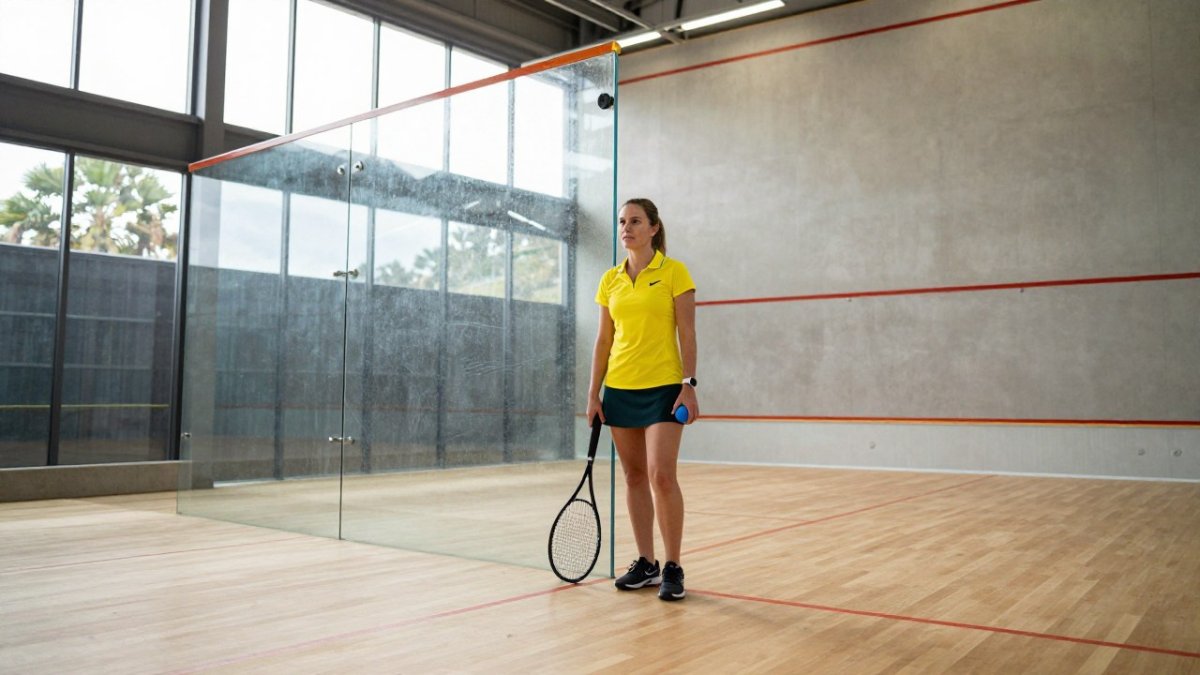
Glass back walls let spectators follow every rally, but weigh the trade-offs first.
Dim courts make the ball hard to track, so even, bright lighting matters.
Show current game and match scores separately, along with who is serving.
Ready to host a match night?
Book a court online and enjoy flexible hours from 6am to 11pm.
Table of Contents
Why Spectator Experience Matters for Squash Clubs
Spectator experience is what turns a squash match into an evening out. A player who enjoys watching is more likely to come back and play. A good spectator setup can help a club grow.
Squash is a fast game with a small ball and short rallies. That makes it hard to follow from a distance.
Research on sports fans points in a clear direction.
Digital fan-engagement platforms are also changing how fans connect with sport. PwC describes platforms that bring ticketing, streaming and commerce together, and says personalisation can support loyalty (PwC analysis of digital fan engagement in sport).
Below, we cover seven practical ways to improve the spectator experience in your club, from court viewing areas to match-night planning.
Set Up a Squash Court Viewing Area That Works
A good viewing area is the first thing to get right. Spectators need somewhere comfortable to sit that still lets them follow the rally.

Choosing Seating and Sight Lines
Place seats where the view of the front wall is clear. If you are weighing up extra space for spectators, modular squash courts can be a practical option to consider. Avoid spots where a pillar or door blocks the action. Raised seating helps people see over the players' heads.
Keep seats close enough to hear the ball hit the wall
Leave room between rows so people can move without disturbing others
Add a few standing spots for busy nights
Glass Backs, Lighting and Ball Visibility
Glass back walls let spectators follow every rally. Modern club facilities commonly use them to improve visibility and atmosphere (Modern squash club facilities and the member experience). Read our glass back wall court benefits and trade-offs before you decide.
Lighting matters just as much. Dim courts make the ball hard to track, especially on fast shots. Even, bright light across the court keeps the game easy to watch. Our squash court lighting guide explains the lux levels and LED options to look for.
The article points to a few concrete viewing-area choices that affect how well spectators can follow the rally.
Choice | What it does | Note |
Seat placement | Keeps the front wall in clear view | Avoid pillars and doors blocking the action |
Raised seating | Helps people see over the players' heads | Useful for busy viewing areas |
Glass back walls | Lets spectators follow every rally | Read the trade-offs before deciding |
Even, bright lighting | Makes the ball easy to track | Dim courts make fast shots hard to follow |
Add a Squash Match Scoring Display Spectators Can Follow
A scoreboard is not a nicety. In a game where a rally can end in seconds, spectators who lose track of the score stop watching the ball and start watching the clock. The fix is to give them a display they can read at a glance from wherever they are sitting.
Choosing the Right Display for Your Club
There are three workable tiers, and the right one depends on how often you run events and how much you want to spend.
Manual board. A whiteboard or flip chart beside the court, updated by a volunteer after each point. Cheapest option, but it depends on someone remembering to update it and it is hard to read from the back of a busy viewing area.
Dedicated digital scoreboard. A wall-mounted LED or LCD panel showing player names, current game, points, and game score. A dedicated digital scoreboard can be readable from a distance, needs no volunteer once set up, and can show a serve indicator and game history.
Software-linked display. A tablet or screen running a scoring app that also feeds a live web page or club TV in the lounge. This option lets spectators at the bar, parents in the car park, and members at home follow the same match.
Making the Score Easy to Follow, Not Just Visible
A display only helps if it answers the questions spectators actually have. Show the current game score and the match score separately, because squash scoring confuses newcomers who expect a single running total. Show who is serving.
Placement matters as much as the hardware. Put the main display at the back of the viewing area, angled toward the seats, at a height that works for both seated and standing spectators. Add a second, smaller screen in the lounge or near the bar so people who step away do not lose the thread.
Watch out: a bright screen facing the court can reflect into players' eyes or distract them during a rally. Mount displays behind the glass line and dim them for evening play.
Linking Scores to Schedules and Player Information
A scoreboard becomes far more useful when it connects to the rest of the evening.
Keeping It Running
The failure mode is a display that is switched on for the first event and forgotten by the third. Assign one person to set it up, keep a spare remote or tablet charged, and write a one-page setup note so any volunteer can run it. If you use software, check that it works offline, because club Wi-Fi is often weakest exactly when the room is fullest.
Plan Squash Match Night Ideas That Bring People Back
Match nights turn a quiet court into an event. They give players and friends a reason to show up on the same night.
Here are a few ideas that work well:
Ladder or round-robin nights with a short prize
Junior matches played before the main event
Social doubles with mixed teams
Pennant nights with food and drinks on offer
Keep the schedule tight. Short matches and clear start times help people stay for the whole evening.
Set Clear Expectations for Spectator Behaviour at Sporting Events
Good behaviour makes the room better for everyone. Players need quiet during rallies, and watchers need to know when to cheer. A short, friendly note at the viewing area covers the basics.
Tell spectators to stay out of the court and wait until a rally ends before moving. Remind them to keep phones quiet. If alcohol is served, make sure the bar sets a clear limit on how much is sold to each person.
Low-Cost Upgrades and Accessible Viewing for Every Visitor
Most clubs do not have a capital budget for a viewing-area rebuild. The good news is that the changes spectators notice most are often the cheapest, and the ones that make viewing accessible overlap heavily with the ones that make it comfortable for everyone.
Prioritising Spending: What to Do First
A common pattern is to sequence upgrades by cost per unit of spectator benefit.
Rearrange before you buy. Move chairs to clear sightlines, remove a table that blocks the front wall view, and shift the water station out of the walking path. Cost: nothing. Benefit: immediate.
Fix the lighting in the viewing area. Dim, uneven light makes the ball hard to track and makes the room feel unwelcoming. Re-lamping and aiming existing fittings is usually a modest cost and a large gain.
Add a readable scoreboard. A manual board is near-free; a basic digital display is a modest one-off cost and removes the volunteer dependency.
Improve seating comfort. Cushions, a few proper chairs with backs, and a rail for standing spectators cost little and extend how long people stay.
Then plan the bigger works. Glass back walls, raised tiered seating, and acoustic treatment are worthwhile but should follow the cheap wins, not precede them.
Making Viewing Accessible
Accessibility is not a separate project bolted on at the end. It is a set of specific checks you can run against your viewing area.
Step-free access. Confirm there is a continuous level or ramped path from the entrance to the viewing area, with no threshold or loose mat that catches a wheelchair or walking frame.
Wheelchair spaces with a view. A space at the back of a room is not accessible if the view is blocked. Reserve at least one position with a clear line to the front wall, and make sure it does not block the aisle.
Seating for people who cannot stand for long. Provide chairs with backs and arms near the viewing area, not just benches.
Sensory considerations. Squash is loud and the ball moves fast. Offer a quieter viewing spot away from the main crowd and the bar for people who find the noise or pace overwhelming, and keep the volume of any PA or music reasonable.
Signage and information. Clear signs to the viewing area, toilets, and accessible facilities help first-time visitors, including older spectators and families with young children.
Welcoming different age groups. Provide a few lower seats or a step for children so they can see, and make sure the viewing area is not dominated by standing adults.
Watch out: a ramp that meets the door but ends at a viewing area with a raised lip or a single step still excludes the people it was meant to include. Walk the route yourself, ideally with someone who uses a wheelchair or mobility aid.
Measuring Whether It Worked
You do not need a research budget to know if changes helped. Track attendance at match nights, count repeat visits, and leave a short feedback card or QR-linked form in the viewing area. Note how long spectators stay and whether hospitality sales rise on event nights. A simple before-and-after comparison over a few events tells you which upgrades earned their cost and which did not.
Booking Your Next Match Night at Launceston Squash Centre
Ready to host your own match night? You can book online to check availability and reserve a court in a few clicks.
Before you book, check our plans and pricing to see which option fits how often your group plays. Pricing depends on how many courts you need and when you play, so the pricing page is the best place to start for current prices.
Launceston Squash Centre runs with new management and self-service access, so you can play on your own schedule. Use the secure smartphone key to get in, and enjoy opening hours from 6am to 11pm daily. Get your next match night on the calendar, and give your spectators a view worth watching.
Frequently Asked Questions
How can squash clubs make matches more enjoyable to watch?
Start with sightlines: seating close to the glass or a raised viewing area lets spectators follow the ball. Pair this with a visible scoring display, a short introduction to the format for newcomers, and a welcoming space to sit. Keep the atmosphere relaxed so visitors feel comfortable staying for the whole match rather than leaving after a few rallies. Small changes like these often matter more than major building work.
What makes a squash match easy for spectators to follow?
Spectators follow a match more easily when they can see the ball and the court clearly, and when the score is displayed where everyone can read it. Explaining the scoring system briefly before play starts helps first-time visitors understand what is happening. Clear court lighting and an uncluttered viewing position also reduce the effort needed to keep track of rallies and points throughout the match.
How can a squash club improve court visibility for spectators?
Position viewing seats so they look across the court rather than down its length, and avoid placing seating where pillars or walls block the front wall. Glass back walls or full glass courts, where the facility allows, improve visibility and atmosphere. Good, even lighting on the court and on the spectator area also helps the ball stay visible during fast rallies.
What should a squash club include in a spectator-friendly event?
A spectator-friendly event needs a clear schedule, a visible scoreboard, a place to sit with a good view, and simple refreshments or a bar where visitors can gather. Make sure players know when and where matches are taking place, and set out basic guidance on quiet periods during play. Planning these details in advance keeps the event running smoothly for players and visitors alike.

Comments