
10 Ways to Stay Active During Winter Months
Updated: Sep 16
Table of Contents
1. Book a Court: Indoor Sports for Winter Fitness
2. Build a Budget-Friendly Home Workout Zone
3. Walk Indoors: Malls, Museums and More
4. Try Beginner Squash Drills for Winter Skill Building
5. Dress for the Cold and Walk Outside
6. Use Fitness Apps and Virtual Classes for Guidance
7. Fit in Micro-Workouts During Your Day
8. How Long Does It Take to Get Back into Squash Fitness?
9. Prioritise Post-Workout Recovery in Cold Climates
10. Combat Seasonal Motivation Slumps with Social Fitness
Frequently Asked Questions
Last Updated: September 8, 2026
Winter has a way of draining motivation, shortening daylight hours, and making the couch feel like the only sensible destination, which is why we've compiled 10 ways to stay active during winter months. Yet staying active during the colder months is one of the most effective ways to protect your cardiovascular health, manage your mood, and avoid the sluggishness of sedentary behavior. The challenge isn't finding the willpower; it's finding the right approach that fits your lifestyle. In this guide from Launceston Squash Centre, we break down 10 ways to stay active during winter months that are practical, enjoyable, and sustainable.
The key insight most people miss is that winter fitness doesn't require heroic effort. It requires variety and flexibility. The 10 strategies below range from booking an indoor court to fitting in five-minute movement breaks, so there's something for every schedule and fitness level. Whether you're a dedicated athlete or someone who hasn't exercised since autumn, these approaches will keep you moving until spring arrives.
1. Book a Court: Indoor Sports for Winter Fitness
Indoor sports for winter fitness are the single most reliable way to maintain intensity when the weather turns hostile. Squash, racquetball, badminton, and indoor tennis give you a full-body workout without wind chill, rain, or icy surfaces interfering with your game. The controlled environment means you can focus entirely on your movement, heart rate, and technique rather than on staying warm.
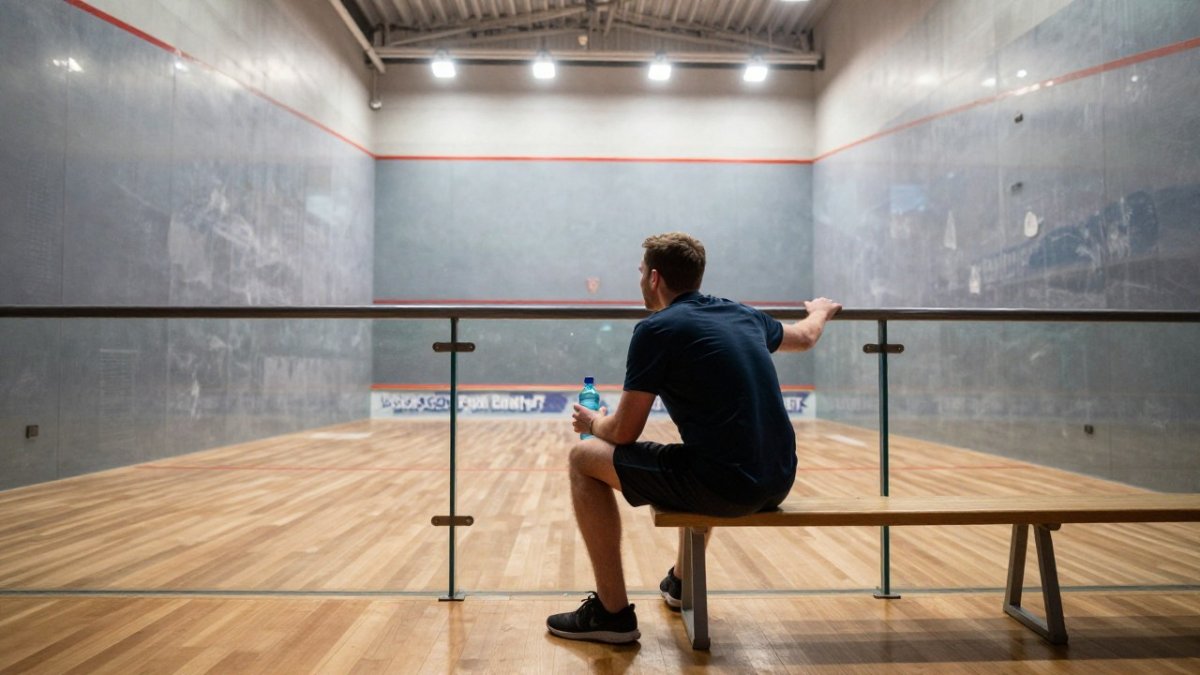
For players in northern Tasmania, Launceston Squash Centre offers exactly this kind of escape. With courts available from 6am to 11pm daily and a self-service booking system, you can schedule a session around your workday rather than around facility hours. Entry via the secure SALTO smartphone app removes the friction of finding staff or waiting for keys, so you can go from car to court in minutes.

The cardiovascular payoff is substantial. A fast-paced squash match keeps your heart rate elevated throughout, building endurance and aerobic activity in a way that feels like play rather than training. For casual players who only get on court once or twice a month, flexible membership options are available.
2. Build a Budget-Friendly Home Workout Zone
You don't need a garage full of machines to train effectively at home. A budget-friendly setup covering bodyweight exercises, resistance training, and mobility work can fit in a corner of your living room. The goal is consistency, not equipment volume.
Start with the essentials: a yoga mat for floor work, a set of resistance bands, and a pair of adjustable dumbbells. The Theraband Resistance Bands are colour-coded by resistance level, lightweight, and cost-effective, making them ideal for small indoor spaces. If you want to progress to heavier work without buying a rack of weights, adjustable dumbbells can save significant space.
Pro Tip Skip the expensive equipment until you've built a habit. For the first month, a mat and resistance bands are enough to run a full-body programme. Upgrade only when you hit a plateau.
For floor-based sessions, a high-grip mat matters more than people realise. For floor-based sessions, a high-grip mat matters more than people realise. A mat that absorbs moisture can prevent slipping during sweaty workouts and provide joint support for planks, lunges, and core work.
3. Walk Indoors: Malls, Museums and More
When the pavement is icy or the wind is biting, indoor walking is a legitimate alternative that many people overlook. Shopping centres, museums, and large public buildings offer kilometres of flat, climate-controlled walking surface. You can maintain a brisk pace, track your steps, and get your heart rate up without any special gear.
The trick is to treat it like a workout, not a browse. Set a time goal, keep your arms swinging, and maintain a pace that leaves you slightly breathless. Many indoor walkers find that listening to a podcast or an audiobook helps sustain the effort for 45 minutes or more.
This approach also pairs well with step tracking. A wearable can monitor your daily movement, heart rate, and recovery, giving you concrete data on whether your winter activity levels are holding up. Features like a Daily Readiness Score can help you decide when to push and when to take an easier day.
4. Try Beginner Squash Drills for Winter Skill Building
Winter is the perfect time to improve your game, not just maintain fitness. Beginner squash drills for winter focus on footwork, racquet control, and shot placement, all of which translate directly to better match play when you return to competitive sessions.
Start with solo drills that build consistency. The boast-and-drive drill involves hitting the ball to the side wall, letting it rebound, then driving it to the back corner. This develops wrist control and court awareness. For movement, practice the ghosting drill: without a ball, move through the key court positions as if retrieving shots. It's an excellent conditioning tool that also trains your footwork patterns.
Watch Out The most common beginner mistake is gripping the racquet too tightly. This restricts wrist movement and leads to forearm fatigue within minutes. Keep your grip relaxed between shots and only tighten at the moment of contact.
If you're returning to the sport after a break, booking a court at Launceston Squash Centre gives you the space to run these drills without interruption. The online booking system lets you reserve a 45-minute slot, which is enough time for a focused drill session followed by light practice play.
5. Dress for the Cold and Walk Outside
Outdoor walking in winter is entirely manageable with the right clothing strategy. The principle is layering: a moisture-wicking base layer, an insulating mid-layer, and a windproof outer shell. This system traps warm air while allowing sweat to escape, preventing the clammy chill that makes people abandon outdoor exercise.
Pay attention to extremities. Gloves, a beanie, and a neck gaiter protect the areas where heat loss is greatest. Your body will warm up within the first five minutes of brisk walking, so dress as if the temperature is 5 to 8 degrees warmer than it actually is. You should feel slightly cool when you step outside, not comfortable.
A GPS-enabled wearable can track pace and distance accurately, while a recovery time advisor can tell you when your body is ready for another hard session. For many people, having a measurable goal like a weekly distance target is the difference between staying active and hibernating.
6. Use Fitness Apps and Virtual Classes for Guidance
Fitness apps and virtual classes remove the decision-making burden from exercise. When you don't have to plan a workout, you're far more likely to do one. Many fitness apps offer live and on-demand classes across strength, yoga, and cardio, with real-time performance tracking and curated programmes that progress over weeks.
The advantage of virtual classes in winter is the elimination of travel time and weather as excuses. You can roll out of bed, put on workout clothes, and be exercising within five minutes. Many apps now offer programmes specifically designed for small spaces and minimal equipment, which suits home workouts perfectly.
Key Takeaway Consistency beats intensity during winter. A 20-minute guided session five days a week will keep you fitter than a single two-hour gym session that you only manage once a fortnight.
For those who prefer structure without subscription costs, many fitness apps offer free trials or limited free tiers. The key is to find one whose instructors and class formats you actually enjoy, because enjoyment is what drives repeat use.
7. Fit in Micro-Workouts During Your Day
Micro-workouts are short bursts of activity, typically five to ten minutes, scattered throughout the day. They are the answer for busy professionals who cannot find a 45-minute block for exercise. Research on sedentary behavior shows that breaking up long periods of sitting has meaningful health benefits, even when the individual bouts are brief (peer-reviewed research).
A practical approach is to schedule three or four movement breaks per day. A jump rope session can deliver high-intensity cardio in under ten minutes. A set of stair climbs gets your heart rate up without any equipment. Even a brisk walk around the block during a lunch break counts toward your weekly physical activity total.
Suspension training systems are well-suited to micro-workouts because they can be set up in any doorway and support hundreds of bodyweight exercises. A five-minute circuit of rows, squats, and chest presses can be completed between meetings without breaking a sweat that requires a shower.
8. How Long Does It Take to Get Back into Squash Fitness?
Getting back into squash fitness after a layoff typically takes four to six weeks of regular play to feel comfortable on court again (PubMed). This timeline assumes you're playing twice a week and supplementing with some off-court conditioning. The first two weeks will feel difficult, with quick fatigue and slow movement, but this is normal as your body readjusts to the stop-start demands of the sport.
Phase | Duration | Focus | Expected Progress |
Re-entry | Weeks 1-2 | Light rallies, footwork drills | Reduced breathlessness |
Building | Weeks 3-4 | Longer rallies, more movement | Improved court coverage |
Conditioning | Weeks 5-6 | Full matches, interval training | Competitive endurance |
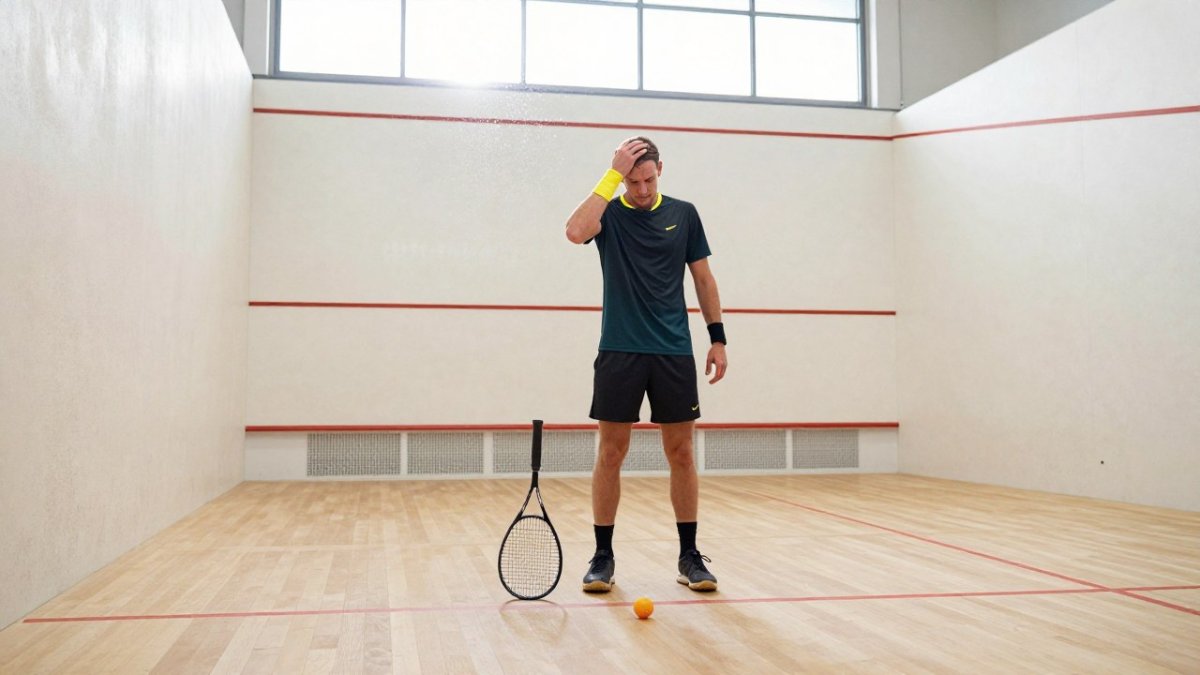
The key is to avoid overdoing it early. Returning players often push too hard in their first sessions, leading to soreness that disrupts their routine for a week. Start with 30-minute sessions focused on technique and movement, then gradually extend to full matches as your fitness returns.
For a structured return, Launceston Squash Centre's flexible court access lets you build up gradually. You can book shorter sessions for drill work and extend to full match play as your endurance improves, all without committing to a rigid schedule.
9. Prioritise Post-Workout Recovery in Cold Climates
Recovery matters more in winter because cold muscles are more prone to injury. After any workout, take time to cool down properly, which means gradually reducing intensity rather than stopping abruptly. A five-minute slow walk or gentle stretching allows your heart rate to normalise and prevents blood from pooling in your extremities.
Hydration is another overlooked factor. Cold air is dry, and you lose more fluid through respiration than you might expect. Drink water before, during, and after exercise, even if you don't feel particularly thirsty. Warm clothing after a workout is equally important; sitting in damp gear accelerates heat loss and increases your risk of catching a chill.
Mobility work deserves dedicated attention during winter. Cold temperatures make muscles and connective tissue less pliable, so incorporating a daily stretching routine of 10 to 15 minutes can significantly reduce injury risk. Focus on the hips, hamstrings, and calves, which are the muscle groups most taxed by running and court sports.
10. Combat Seasonal Motivation Slumps with Social Fitness
The biggest threat to winter fitness isn't the weather; it's isolation. When you exercise alone, it's easy to skip sessions on grey, cold days. Social fitness solves this by adding accountability. Arrange to meet a friend for a walk, join a group fitness class, or book a regular squash game with a partner.
Group activities also provide a mental health boost. The connection between physical activity and reduced symptoms of seasonal affective disorder is well documented, and exercising with others amplifies the mood benefits (the NIH). The combination of movement, social interaction, and routine is powerful protection against the winter blues.
Key Takeaway The most reliable way to stay active during winter months is to make exercise social. When someone is waiting for you at the court or the park, you show up. It's that simple.
Launceston Squash Centre supports this social approach by keeping courts bookable online and available from early morning to late evening. Whether you're organising a regular weekly game with mates or joining the facility as a casual player, the flexible system makes it easy to maintain a social exercise habit throughout the season.
Staying active during winter months requires planning, but the payoff in energy, mood, and health makes the effort worthwhile. The strategies above range from booking an indoor court for a proper workout to fitting in five-minute movement breaks, so there's an option for every lifestyle and fitness level. At Launceston Squash Centre, we've made it easy to keep playing through winter with courts open from 6am to 11pm, online booking, and secure smartphone entry. Book your court online and keep your fitness momentum going all season.
Frequently Asked Questions
What are the best indoor sports to play during winter?
Squash and racquetball are excellent winter choices because they deliver a full-body cardio workout in a controlled, climate-friendly environment. Other strong options include indoor swimming, basketball, badminton and rock climbing. These sports keep your heart rate up without exposing you to cold winds or icy surfaces. Facilities with extended hours, like Launceston Squash Centre which operates from 6am to 11pm, let you train around your schedule, making it easier to stay active during winter months.
How long does it take to get back into squash fitness after a break?
Expect 4 to 6 weeks of consistent play to rebuild your base fitness after a significant break. Your first few sessions should focus on technique and rallying rather than intense competition. Start with 20 to 30 minute sessions twice a week, then gradually increase duration and intensity. You will notice improvements in your cardiovascular endurance and court movement within a fortnight. Practising beginner squash drills during winter helps accelerate this process while reducing your risk of injury from pushing too hard too soon.
Why is it important to stay active during winter?
Regular physical activity during winter helps counter the natural tendency toward sedentary behaviour when daylight hours shrink. Exercise boosts your metabolism, supports cardiovascular health and releases endorphins that combat the low mood associated with seasonal affective disorder. Staying active also helps maintain muscle tone and joint mobility, which can otherwise decline during months of reduced movement. Beyond physical benefits, maintaining an active lifestyle through winter makes the transition to spring easier, as you will not be starting your fitness journey from zero.
What are some low-impact indoor activities for winter?
Indoor walking is one of the most accessible low-impact options, whether at home, in a shopping centre or on a treadmill. Yoga and pilates build flexibility and core strength with minimal joint stress. Resistance band workouts provide effective strength training in small spaces without heavy equipment. Swimming offers a full-body workout that is gentle on joints. For those wanting a social element, squash can be adapted to a lower intensity with friendly rallies rather than competitive matches, making it suitable for players returning from injury or those new to the sport.
Book Online

Comments