
Essential Squash Gear for New Players
Table of Contents
Why the Right Gear Matters for Beginners
Squash Racket Weight Guide for New Players
Head-Light vs Head-Heavy Rackets
Frame Material and Control
Best Squash Shoes for Beginners
Measuring for Proper Fit
Non-Marking Soles and Court Movement
How to Choose a Squash Ball
Ball Speeds and Beginner-Friendly Options
Protective Eyewear and Safety Essentials
Additional Gear That Makes a Difference
Grip, Overgrip, and Sweatband
Clothing and Moisture-Wicking Fabrics
Building Your Gear Setup on a Budget
Prioritise Investment by Impact on Learning
Where You Can Save Money Early
Budget Tiers and What You Get
Frequently Asked Questions
Last Updated: September 26, 2026
Why the Right Gear Matters for Beginners
Getting into squash without proper equipment is like trying to run in dress shoes. You might manage a few steps, but you'll be fighting against yourself the whole time. The right gear does more than just make the game comfortable, it fundamentally changes how you play, how quickly you improve, and whether you stay injury-free.
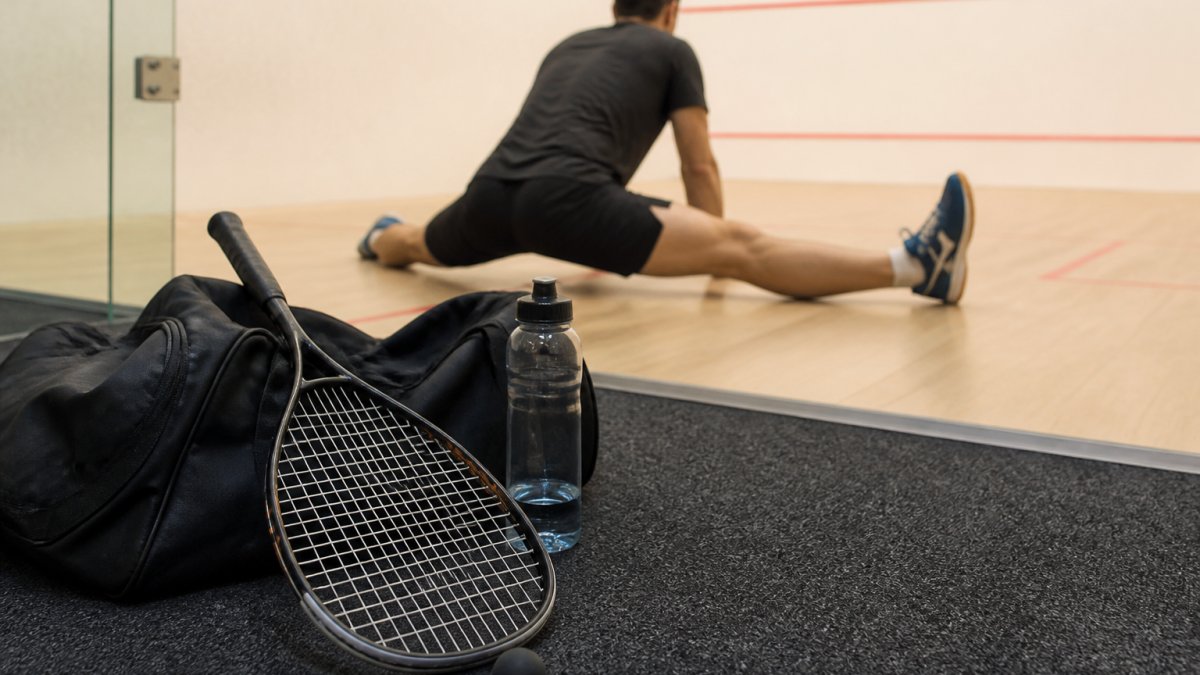
New players often underestimate how much their equipment choice affects their performance. A racket that's too heavy will tire your arm before you've learned proper technique. Shoes without court grip will have you slipping on pivots. The wrong ball speed will frustrate you because you'll struggle to control shots that should be straightforward. At Launceston Squash Centre, we see this pattern repeatedly: players who invest in essential squash gear for new players from day one progress faster and enjoy the game more.
The good news is that you don't need to spend a fortune. You need to understand what each piece of equipment does and why it matters for beginners specifically. This guide walks through the core essentials, explains what separates beginner-friendly gear from advanced equipment, and shows you how to build a solid setup without overspending.
Squash Racket Weight Guide for New Players
Your racket is the most important piece of equipment you'll buy. It's also the one where beginners most commonly make the wrong choice.
The ideal racket weight for new players sits between 130-150 grams. This range gives you enough control without the arm fatigue that comes with heavier rackets. Many beginners think a heavier racket will hit harder, it won't. A lighter racket that you can swing smoothly generates more power and control than a heavy one you're muscling around the court.
Weight affects three critical things: swing speed, maneuverability, and how quickly you tire. A racket under 140 grams lets you accelerate the head faster, which means better shot consistency. You'll also recover faster between rallies, which matters when you're learning footwork and positioning.
Head-Light vs Head-Heavy Rackets
Head-light rackets have more weight concentrated toward the grip. They're easier to maneuver, faster to swing, and forgiving on off-centre hits. For beginners, this is almost always the better choice. You'll develop better technique because the racket responds to your swing rather than fighting you.
Head-heavy rackets concentrate weight toward the head. They generate more power on well-struck shots but demand precise technique. If you're still learning to make consistent contact, a head-heavy racket will punish poor timing. Save this design for when you've developed a reliable swing.
Frame Material and Control
Modern rackets use carbon fibre, graphite, or aluminium frames. Carbon fibre is standard for good reason, it balances power, control, and durability without excessive weight. Graphite offers similar performance at slightly lower cost. Aluminium frames are budget-friendly but heavier, which pushes beginners toward poor technique faster.
The frame stiffness matters for vibration dampening. A stiffer frame transmits less shock through your arm on mishits, which reduces injury risk during the learning phase. Look for frames that mention vibration dampening or shock absorption, these features protect your joints when you're still developing consistency.
Best Squash Shoes for Beginners
Court shoes are non-negotiable. Regular trainers will damage the court and won't give you the grip you need for directional changes. Squash demands lateral movement that regular shoes simply don't support.
Squash shoes have non-marking soles specifically designed for indoor courts. The sole material grips without leaving marks. This matters because court damage gets expensive, and facilities enforce rules about footwear strictly. Proper court shoes are essential, they protect the playing surface and your ankles.
Measuring for Proper Fit
Shoe fit is critical for injury prevention, yet most beginners guess their size. Proper court shoes should fit snugly around the heel with approximately one finger's width of space at the toe box. Your foot will shift during quick direction changes, so you want minimal sliding inside the shoe. A common mistake is buying shoes too loose to "be comfortable", this actually causes blisters and ankle strain because your foot moves around during play.
To measure correctly, wear the socks you'll play in and measure your foot length from heel to longest toe. Most court shoe manufacturers provide sizing charts; cross-reference your measurement against their guide rather than relying on street shoe size, which often differs by half a size or more. The heel should grip firmly without pinching, you should not be able to slide your heel up and down inside the shoe. If your heel lifts during a test walk, the shoe is too large.
Width matters as much as length. Squash shoes come in standard, wide, and narrow fits. A shoe that's too narrow will compress your foot laterally, causing pain in the arch and outer edge of the foot during side-to-side movement. A shoe that's too wide won't provide the lateral support your ankle needs during pivots and lunges. If you have a wide foot, don't force a standard shoe, invest in a proper wide-fit court shoe from the start.
Non-Marking Soles and Court Movement
Non-marking soles are made from rubber compounds that grip without leaving residue. They're crucial for court movement because they provide the traction you need without damaging the playing surface. The sole should have a pattern that enhances grip; look for herringbone or similar textures that bite into the court.
Court movement demands instant directional changes. Your shoes need to let you pivot, lunge, and recover without slipping. Shoes with reinforced lateral support, typically a stiffer midsole and extended heel counter, prevent ankle rolls during these movements. Budget shoes often skimp on lateral support, which leads to injuries that sideline beginners right when they're building momentum.
The sole thickness also affects court feel.
How to Choose a Squash Ball
The squash ball you play with directly affects your game speed and learning curve. Understanding ball speeds is essential because the wrong ball will either frustrate you or prevent you from developing proper technique.
Ball Speeds and Beginner-Friendly Options
The blue dot ball is the fastest and bounces highest. It's designed for beginners and recreational players. The extra bounce gives you more time to set up shots and position yourself. If you're just starting, blue dot is your best choice. It won't punish you for slow reactions.
Protective Eyewear and Safety Essentials
Eye protection in squash isn't optional, it's essential. A squash ball travelling at court speed can cause serious eye injury (Checking your browser). Polycarbonate lenses are the standard because they resist impact and won't shatter.

Additional Gear That Makes a Difference
Beyond the core four items, a few accessories dramatically improve comfort and performance.
Grip, Overgrip, and Sweatband
Your racket grip is where technique begins. The grip size affects how much you need to grip the racket with your hand, too small and you'll squeeze hard, too large and you'll lose control. Most rackets come with a standard grip, but overgrips let you adjust feel and thickness.
Clothing and Moisture-Wicking Fabrics
Squash is intense. You'll sweat heavily, especially during longer rallies. Moisture-wicking clothing pulls sweat away from your skin, keeping you dry and comfortable. Cotton absorbs sweat and stays wet, avoid it for squash.
Building Your Gear Setup on a Budget
You don't need to buy everything at once, but understanding where to invest and where to save is the difference between building solid technique and developing bad habits that cost you later.
Prioritise Investment by Impact on Learning
Racket is your first priority. A beginner-friendly racket between 130-150 grams in carbon fibre is non-negotiable because it directly affects how quickly you develop proper swing technique. A racket that's too heavy or poorly balanced will teach you to muscle the ball rather than use technique, a habit that's hard to break. Budget-friendly options exist at reasonable price points, you don't need a premium brand, but you do need correct weight and balance.
Where You Can Save Money Early
Overgrips and sweatbands are cheap additions that make a real difference once you've got the essentials. Don't buy these until you've played 10-15 times and know whether you want them.
Budget Tiers and What You Get
Minimum viable setup: Budget racket (130-150g, carbon fibre), mid-range court shoes with proper fit, blue dot ball, basic polycarbonate eyewear, moisture-wicking shirt and shorts. This setup lets you learn without equipment holding you back.
Frequently Asked Questions
What is the best squash racket weight for a beginner?
Beginners typically perform best with rackets between 130-150 grams. Lighter rackets improve maneuverability and reduce fatigue, making them ideal when you're learning proper swing technique. Head-light designs shift the balance toward the handle, giving you better control over the sweet spot. As your technique develops, you can experiment with heavier rackets for more power, but starting lighter helps prevent injury and builds confidence on court.
Do I need special shoes to play squash?
Yes. Court-specific squash shoes with non-marking soles are essential. Standard trainers lack the lateral support needed for quick directional changes and can damage the court surface. Squash shoes feature reinforced ankles, responsive cushioning, and grommet strips for durability. They also provide the grip necessary for explosive court movement without slipping. Investing in proper footwear reduces injury risk and improves your ability to reach the ball.
What type of squash ball should I use as a beginner?
Start with a blue dot ball (slowest speed) or single-yellow dot ball. Blue dot balls are easier to see, travel slower, and give you more time to react and position yourself. This helps you develop footwork and stroke technique without feeling rushed. Once your confidence grows, single-yellow dot balls offer a moderate pace. Avoid double-yellow dot balls initially, they're designed for advanced players and move too quickly for beginners to enjoy the game.
What protective gear is most important for squash beginners?
Protective eyewear with polycarbonate lenses is non-negotiable. Squash involves fast-moving balls and rackets in close quarters, creating serious eye injury risk. Polycarbonate lenses are impact-resistant and shatter-proof. Beyond eyewear, proper court shoes prevent ankle injuries, and a sweatband or overgrip reduces racket slippage during play. These three items form your safety foundation and should be purchased before your first session.
Getting started with the right gear removes obstacles between you and enjoying squash. At Launceston Squash Centre, we see players progress fastest when they invest in proper equipment from day one. Our flexible membership options let you book courts at times that suit your schedule, and our extended hours from 6am to 11pm mean you can practise when it works for you. Book online today and start with equipment that supports your learning, not fights against it.
Book Online


Comments