
Best Racquet Sports in Launceston: A 2026 Guide
Updated: Sep 16
Table of Contents
Squash and Racquetball at Launceston Squash Centre
Racquetball Court Access in Northern Tasmania
Tennis Courts and Facilities
Table Tennis at the Northern Tasmanian Table Tennis Association
Pickleball and Emerging Racquet Sports
Squash Membership Economics and Flexible Access Options
Choosing Your Racquet Sport: A Practical Framework
Conclusion
Frequently Asked Questions
Last Updated: August 31, 2026
Squash and Racquetball at Launceston Squash Centre
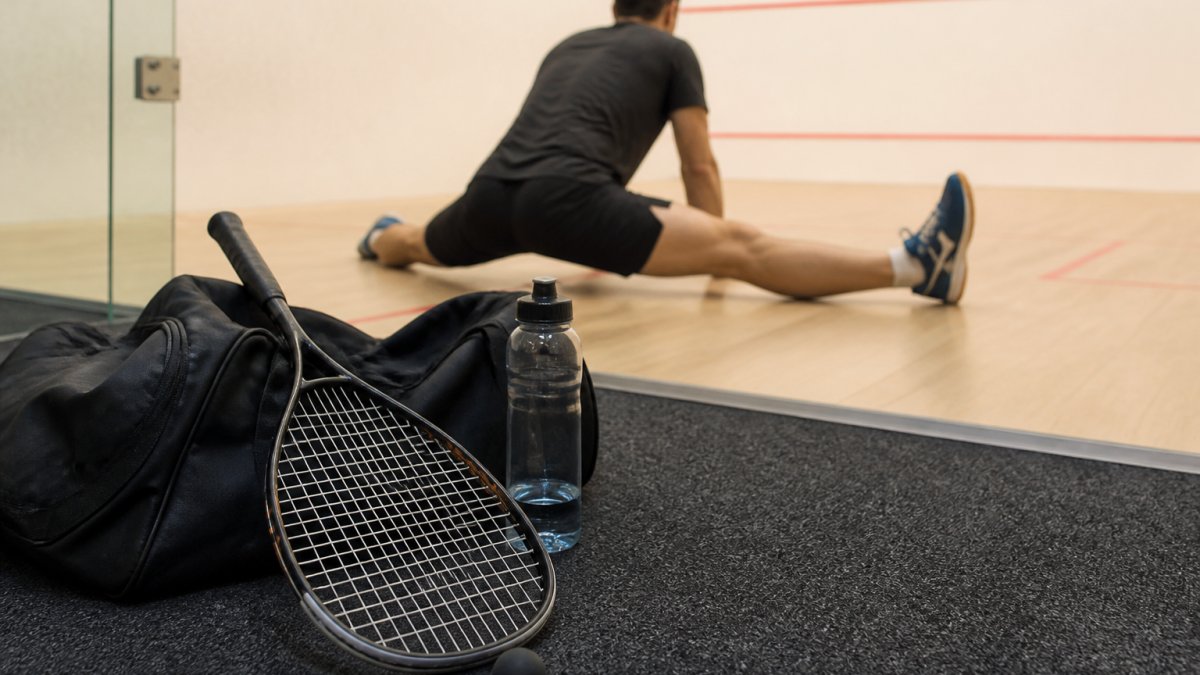
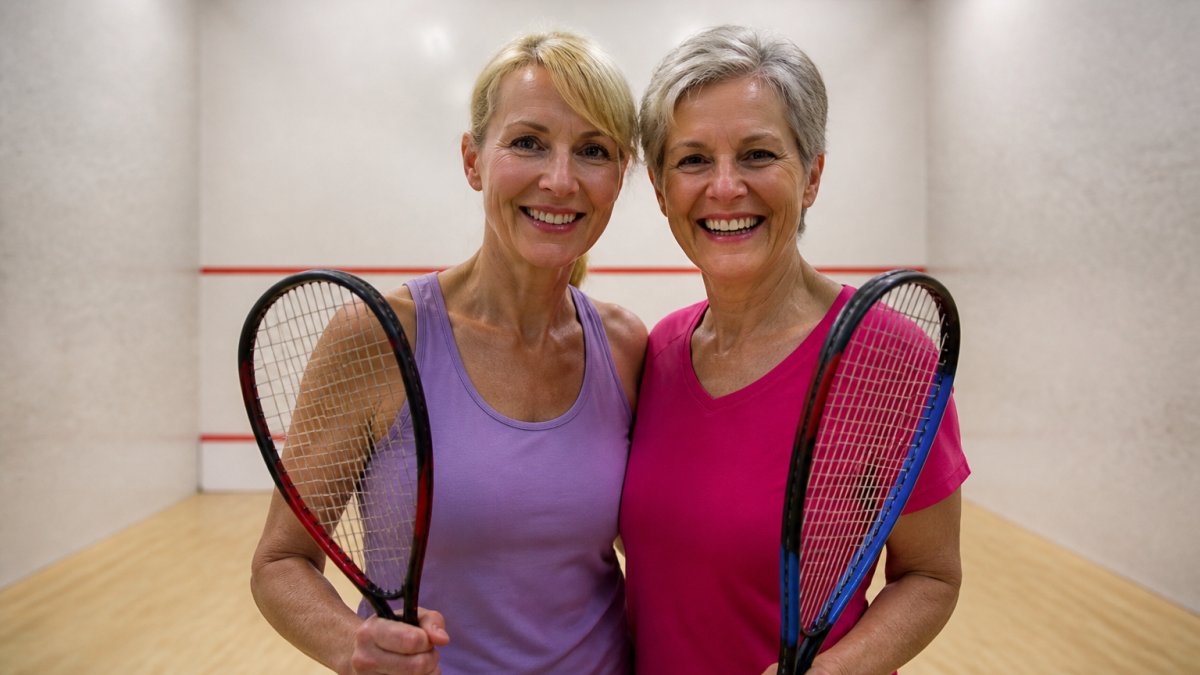
Squash and racquetball are high-intensity racquet sports delivering serious cardiovascular benefits in a compact court environment. Both are accessible, fast-paced, and available with flexible scheduling that suits irregular work patterns.

Launceston Squash Centre offers courts available from 6am to 11pm daily, online booking, and entry via smartphone key through the SALTO app. The facility is housed at the historic Theogenes location with new management focused on frictionless experience.
Squash burns serious calories in 45 minutes, demands explosive footwork, and requires constant tactical thinking (peer-reviewed research). Racquetball is similar but played on a larger court with a softer ball, making it more forgiving for returning players. Both work your entire body and build hand-eye coordination.
What separates Launceston Squash Centre is flexibility. You're not locked into peak-time slots or forced to book weeks in advance. The membership structure accommodates casual players and serious enthusiasts. The smartphone key eliminates the "I forgot my membership card" problem.
Pro Tip If you're coming from university facilities, expect a smoother booking experience here. The SALTO app handles everything: check availability, reserve time, and unlock the door. No staff check-in needed.
Pricing varies by playing frequency and membership tier. Contact Launceston Squash Centre directly for current rates, as membership pricing depends on how often you plan to play.
Racquetball Court Access in Northern Tasmania
Racquetball is gaining traction because it's easier to pick up than squash. The larger court and softer ball mean fewer missed shots and less frustration for beginners.
Launceston Squash Centre operates dedicated racquetball courts alongside squash facilities, meaning you're not competing for court time.
Racquetball differs from squash in practical ways. The court is larger than a squash court, the ball bounces higher and travels slower, and the walls are in play. This makes rallies longer and the game more accessible for developing players.
Watch Out Racquetball requires a specific racquet; you can't use a squash racquet. The racquet is shorter and lighter. Most facilities have hire racquets available, but confirm this before your first session.
Access at Launceston Squash Centre follows the same booking system as squash: online reservation, smartphone key entry, and flexible hours. The extended opening times (6am to 11pm) suit evening sessions that tend to be more casual and social.
Tennis Courts and Facilities
Tennis is the most accessible racquet sport in Launceston because courts are abundant and the sport has established social structures.

Tennis World Launceston operates 11 courts: 9 outdoor hard courts and 2 synthetic clay courts (tennis.com.au). This scale ensures good availability even during peak times. The facility offers coaching for all ages and skill levels, social play sessions, competitions, and tournaments.
Court hire pricing varies by time of day, with peak-time slots costing more than off-peak. Membership options are available for regular players. Casual bookings can be made within 24 hours, though this varies seasonally. Tennis World is closed on Sundays for general access, though after-hours booking is available.
The Australian Italian Club Tennis Club offers a smaller, community-focused alternative with two hard court plexipave courts and LED lighting for evening play. Club members get complimentary court hire. The club hosts internal competitions and inter-club matches.
Newstead Tennis & Squash Centre combines both sports at one location. They participate in the Ticket to Play program, which reduces costs for eligible children.
Key Takeaway Tennis requires less equipment investment than squash or racquetball, making it the easiest sport to try casually. Courts are abundant, coaching is readily available, and there's a clear social structure for progression.
Table Tennis at the Northern Tasmanian Table Tennis Association
Table tennis is the most underrated racquet sport in Launceston. It's fast, technical, and genuinely social, building hand-eye coordination and reflexes that rival court-based racquet sports.
The Northern Tasmanian Table Tennis Association (NTTTA) is based at Elphin Sports Centre and offers rosters, tournaments, coaching for all skill levels, and social sessions. The club welcomes players of all ages.
Membership is affordable: annual full membership costs $110, including access to roster play and competitions. Annual social membership is $18. This tiered structure means you're not paying for features you won't use.
Table tennis rewards precision, spin control, and tactical shot selection. The sport is lower impact on joints than court sports, making it ideal for players managing minor injuries or preferring lower-impact exercise.
The NTTTA hosts regular rosters where you play different opponents weekly, building competitive community without formal tournament intimidation. Coaching is available for technique improvement.
Pro Tip If you haven't played table tennis since school, expect a learning curve, but it's shorter than you think. Modern recreational play uses forgiving equipment. The NTTTA can provide guidance on equipment hire.
Pickleball and Emerging Racquet Sports
Pickleball is the fastest-growing racquet sport globally and has arrived in Launceston (peer-reviewed research).
Launceston PCYC offers pickleball sessions focused on skill-building, fitness, and friendly competition. All equipment is provided, removing the barrier to trying the sport. Sessions accommodate all ages and skill levels.
Pickleball is easier to learn than tennis or squash. The court is one-third the size of a tennis court, the net is lower, and the ball moves slower. This means longer rallies, fewer unforced errors, and more actual playing time. Games are typically doubles, creating natural community atmosphere.
The trade-off: pickleball is newer in Tasmania, so there are fewer facilities and less established competitive structure. If you want serious competitive play, pickleball isn't there yet. But for accessible, fun, social racquet sport, it's worth exploring.
Squash Membership Economics and Flexible Access Options
Understanding membership structures prevents wasting money or locking into inflexible commitments.
Squash membership is straightforward: you pay for access, then pay per court booking. The access tier determines your base cost. Casual access (for players showing up once or twice monthly) is typically lower than unlimited membership (for players using courts 3+ times weekly).
Launceston Squash Centre's advantage is flexibility. You're not forced into annual contracts or peak-time restrictions. Casual players can book courts at 6am or 11pm without premium pricing.
Calculate your actual playing frequency. If you play once monthly, casual access is cheaper. If you play twice weekly, unlimited membership breaks even quickly.
Membership Type | Best For | Consideration |
Casual Access | Once or twice monthly players | Lower base cost; pay per booking |
Regular Weekly | Two to three times per week | Moderate base cost; discounted per-booking rates |
Unlimited Play | Four or more times per week | Higher base cost; no per-booking fees |
Tennis membership varies across facilities. Casual bookings are straightforward; membership typically includes court discounts and priority booking. For casual players, per-hour booking is often cheaper. For regular players, membership pays for itself.
Table tennis at NTTTA is most transparent: $110 annual full membership or $18 social membership. No hidden per-session fees.
Budget for equipment maintenance. Squash racquets need restringing every 3-6 months ($50-90 per restring). Tennis racquets need similar maintenance. Table tennis paddles are cheaper to maintain.
Watch Out Don't underestimate equipment costs when comparing racquet sports. Squash has the highest ongoing maintenance burden. Table tennis is cheapest. Tennis sits in the middle.
Choosing Your Racquet Sport: A Practical Framework
The best racquet sport depends on your fitness level, schedule, social preferences, and competitive ambitions.
Assess your physical capacity honestly. Squash and racquetball demand explosive movement and sustained intensity. If you're returning to exercise after years away, these might overwhelm you initially. Tennis is slightly less intense. Table tennis and pickleball are lower impact and more forgiving for players managing joint concerns.
Schedule matters more than most people acknowledge. If you work irregular shifts and need to play at 6am or 10pm, Launceston Squash Centre's extended hours are essential. Tennis facilities have more restrictive hours. Table tennis rosters typically run weekday evenings. Be honest about when you'll actually play.
Social preference shapes your experience. If you want competitive structure and progression, tennis offers the most established pathway. Squash has a smaller dedicated community. Table tennis has genuine social bonds. Pickleball is explicitly social.
Competitive ambition is the final filter. If you want to compete seriously, tennis and squash have established competitive structures in Tasmania. Table tennis has rosters and tournaments. Pickleball doesn't have serious competitive play yet.
Best For Casual players with irregular schedules: Launceston Squash Centre (flexible hours, casual membership available) or Pickleball (low commitment, equipment provided). Regular weekly players seeking progression: Tennis World (coaching, competitions, multiple courts) or NTTTA table tennis (rosters, affordable membership, strong community). Serious competitive players: Tennis World (established tournaments, coaching, competitive structure) or Squash (dedicated community, clear progression pathways). Players returning to sport after injury or long break: Pickleball (lower impact, equipment provided, supportive environment) or Table tennis (low joint stress, technical rather than physical).
Conclusion
The best racquet sports in Launceston span multiple options depending on your priorities. Squash and racquetball at Launceston Squash Centre offer intensity, flexible scheduling, and modernised facilities with smartphone key access. Tennis provides established structure and coaching at multiple venues. Table tennis delivers technical depth and genuine community at the NTTTA. Pickleball offers accessibility and social play through Launceston PCYC.
If you're serious about playing squash or racquetball with the flexibility to fit it around your actual schedule, Launceston Squash Centre is the clear choice. The smartphone key access, extended 6am-11pm hours, and online booking system eliminate the friction that frustrates players at other facilities. Whether you play once monthly or three times weekly, the membership options accommodate your frequency without forcing you into unnecessary commitments. Book online today and experience the difference modern facility management makes.
Frequently Asked Questions
Q: Where can I book squash or racquetball courts online in Launceston?
A: Launceston Squash Centre offers online court booking through their website, with access via a secure smartphone key through the SALTO app. Courts are available from 6am to 11pm daily. Other options include Tennis World Launceston for combined facilities and Newstead Tennis & Squash Centre, both offering online booking systems. Visit each venue's website to check current availability and reserve your preferred time slot.
Q: What are the benefits of joining a local racquet sports club?
A: Local clubs provide structured competitive opportunities, social engagement, and often reduced court hire costs for members. The Northern Tasmanian Table Tennis Association offers annual memberships from $10 for social players, while the Australian Italian Club provides complimentary court hire for tennis members. Clubs also organise tournaments, coaching clinics, and pennant rosters, creating community around your chosen sport and helping you improve through regular play.
Q: How do squash membership economics compare across different access models?
A: Casual access typically requires a small monthly or annual membership fee plus per-court hire charges, suiting occasional players. Frequent players benefit from unlimited play memberships that spread costs across multiple sessions. Launceston Squash Centre offers flexible membership tiers for casual and dedicated players. Compare your typical playing frequency (monthly, weekly, or daily sessions) against each venue's pricing to find the most economical option for your needs.
Q: Are there indoor facilities for racquet sports available year-round?
A: Yes. Launceston Squash Centre operates indoor courts from 6am to 11pm daily, providing year-round access regardless of weather. Tennis World Launceston has indoor options alongside outdoor courts. The Northern Tasmanian Table Tennis Association meets at Elphin Sports Centre with indoor tables. These facilities ensure you can play consistently throughout the year without weather interruptions.
Book Online
This article was written using GrandRanker

Comments